
Full Day Tour Óbidos & Nazaré
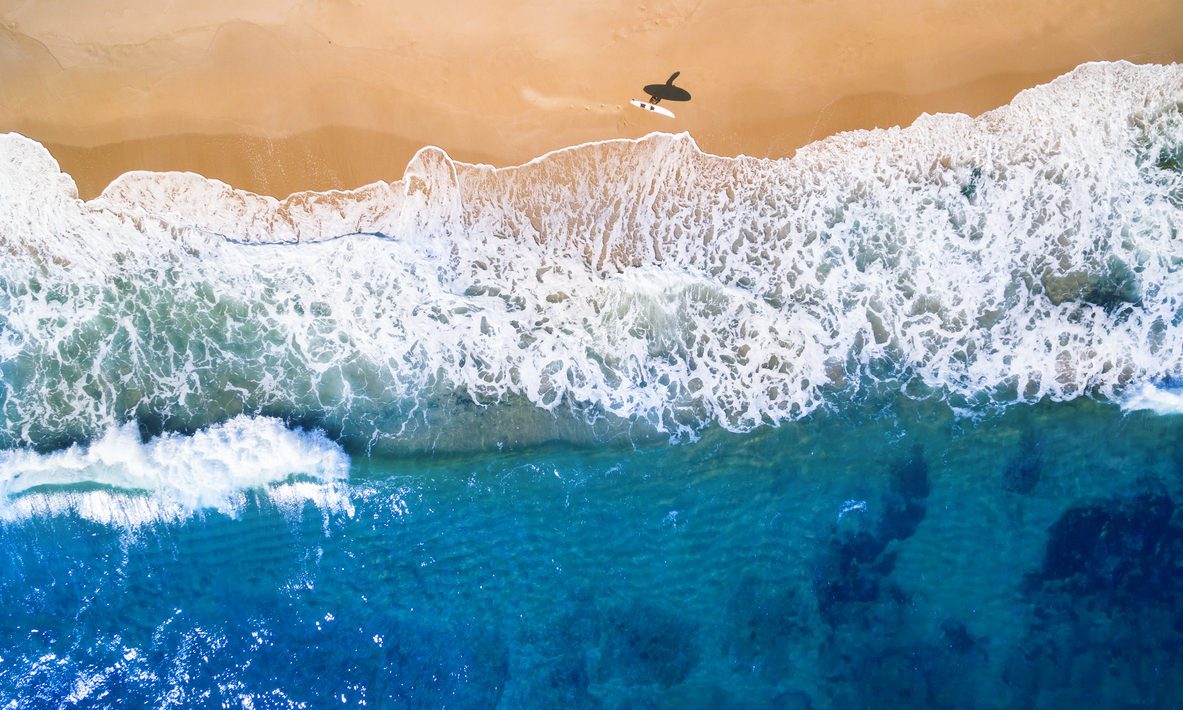
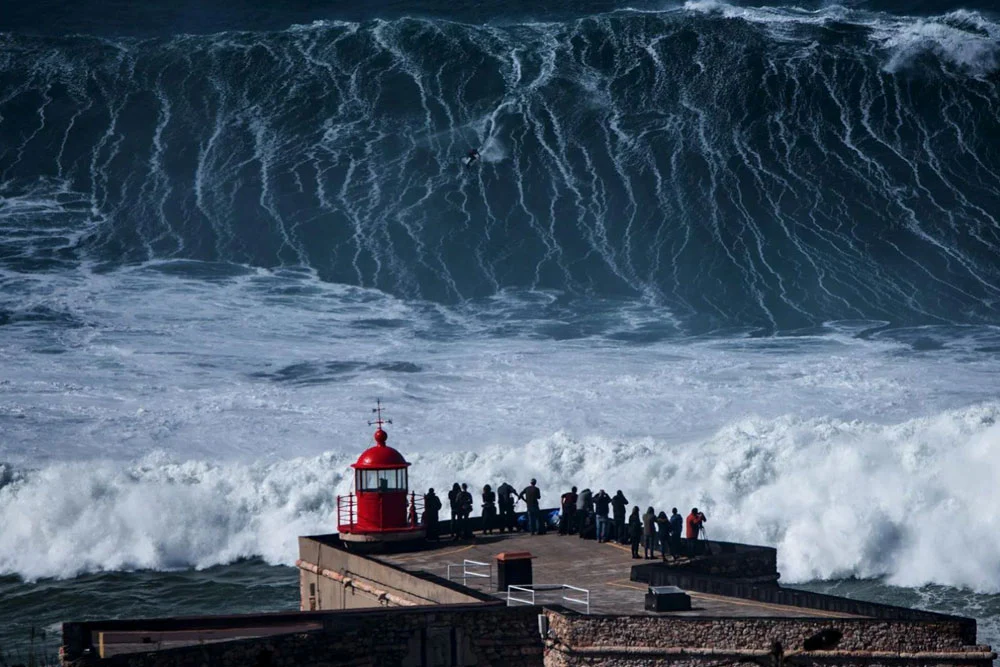
Aerial view of surfer going into the sea
Full Day Tour Óbidos & Nazaré
Journey through Portugal’s timeless beauty, from Óbidos’ storybook walls to Nazaré’s awe-inspiring waves. Walk the narrow cobbled streets of a medieval village, taste local delights, and feel the ocean’s power from towering cliffs—blending tradition, flavor, and adventure for an unforgettable day.
Description
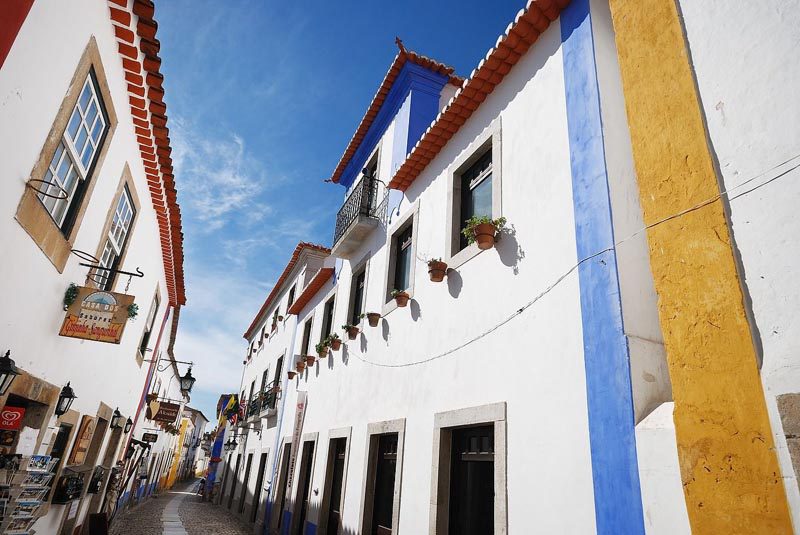
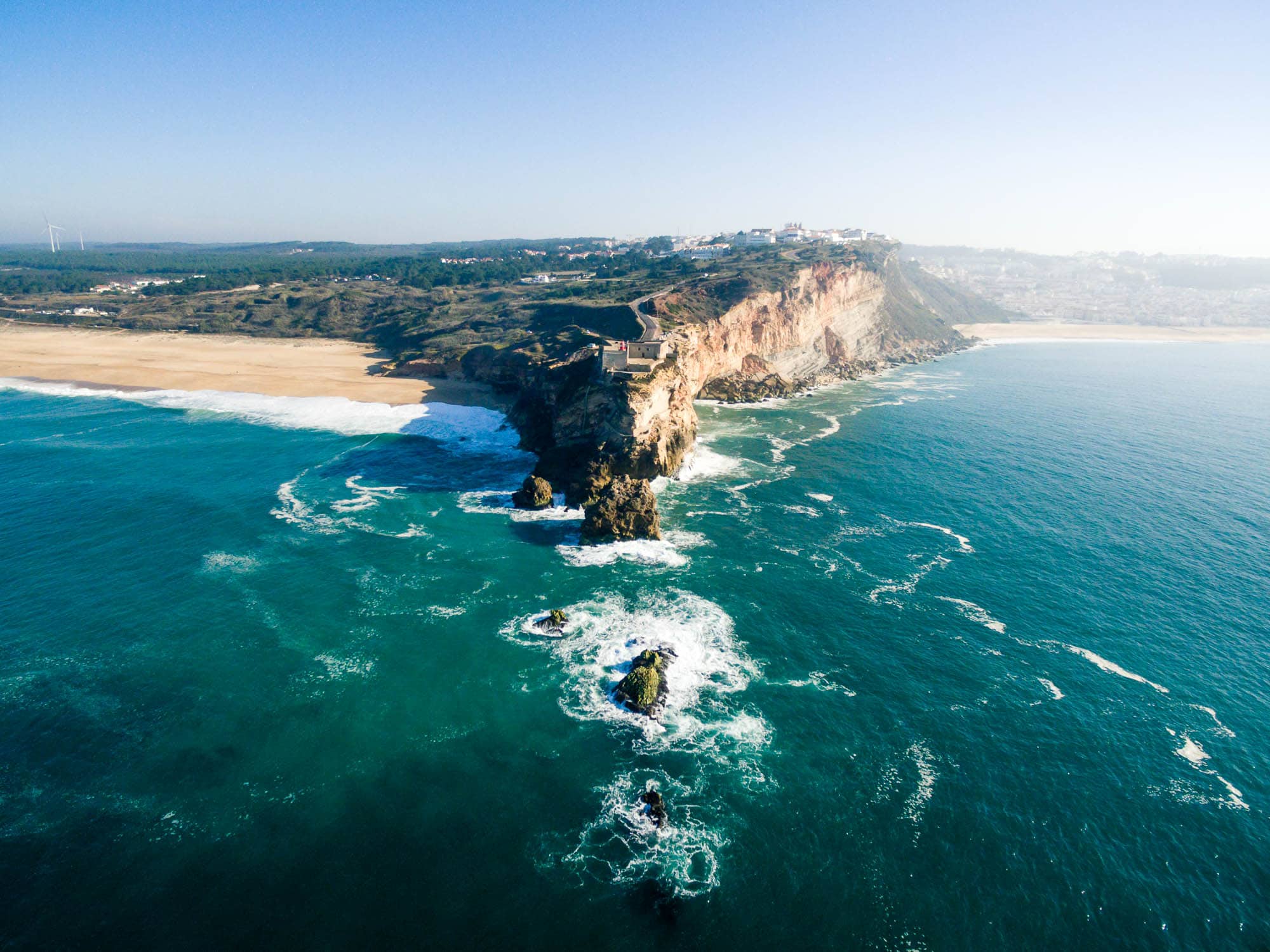
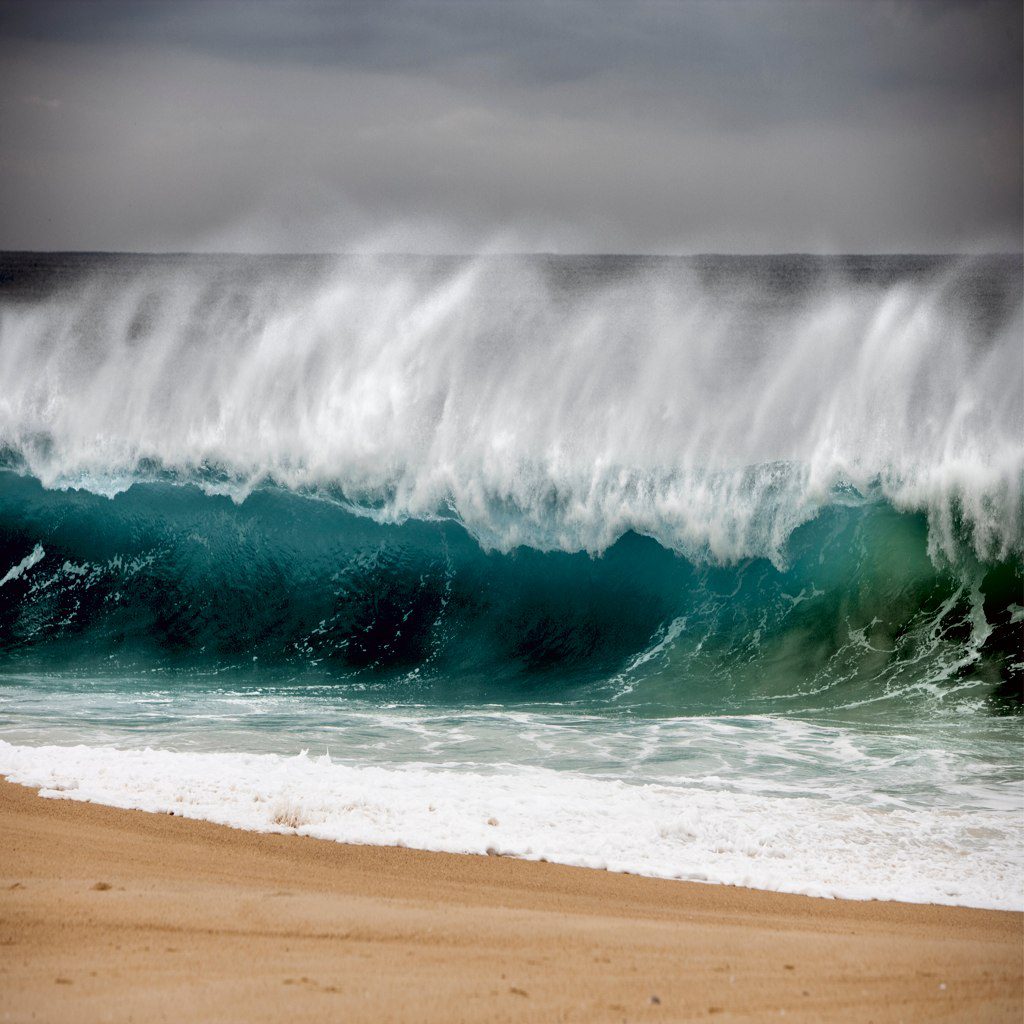
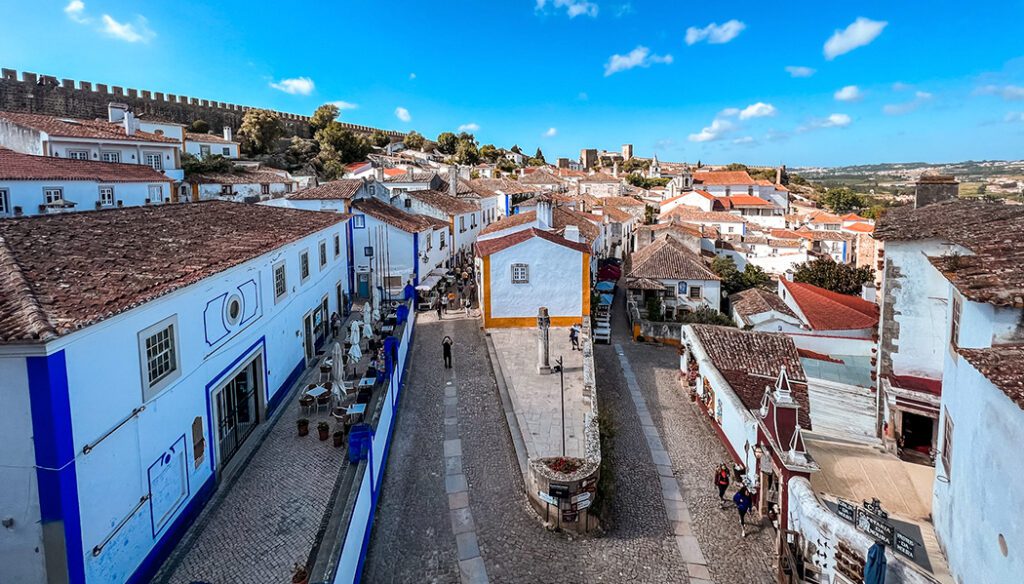
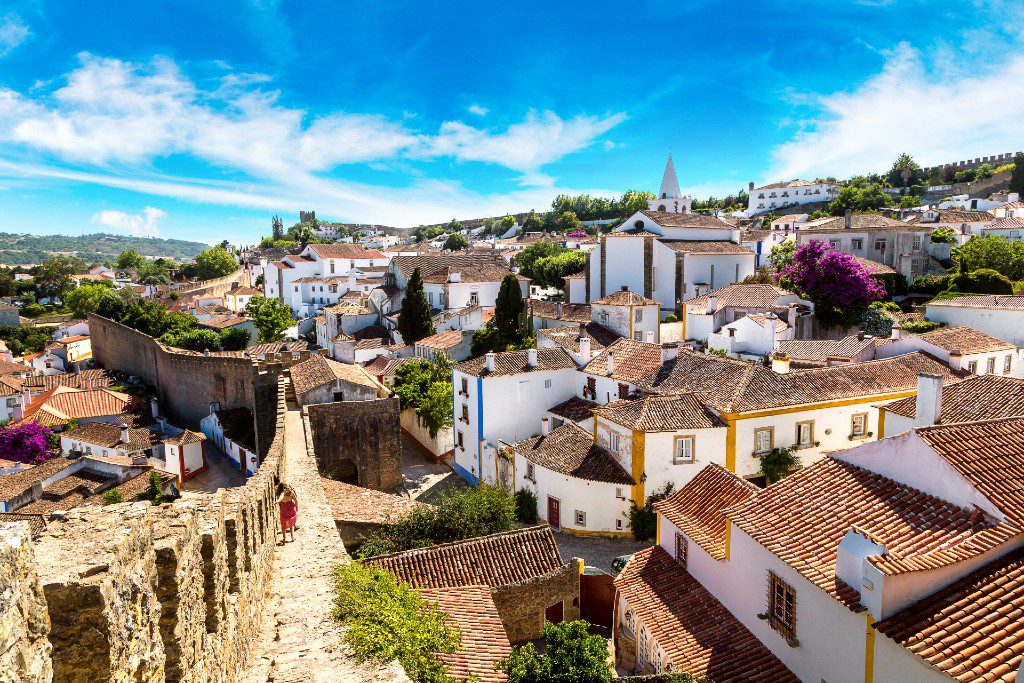
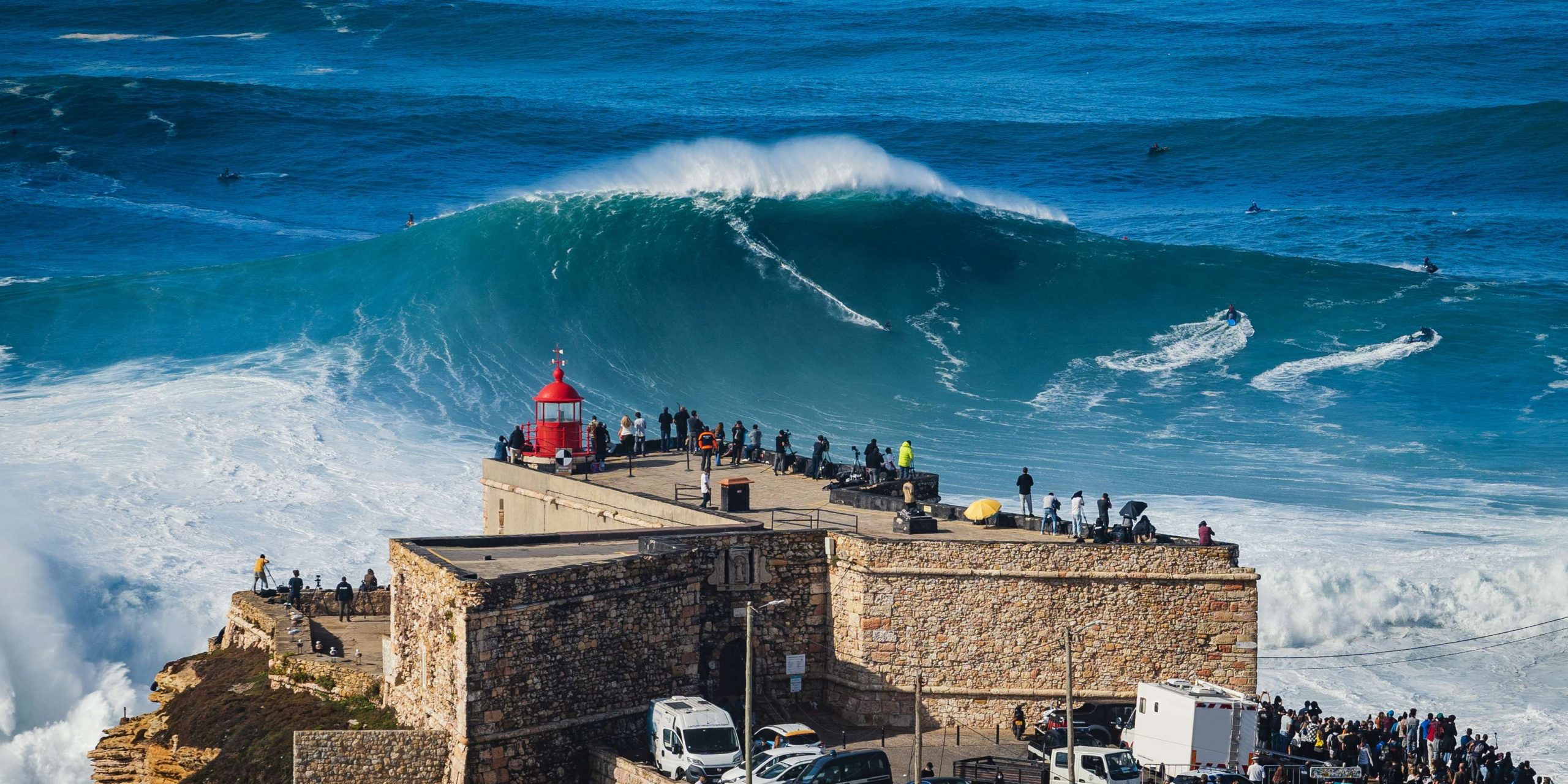
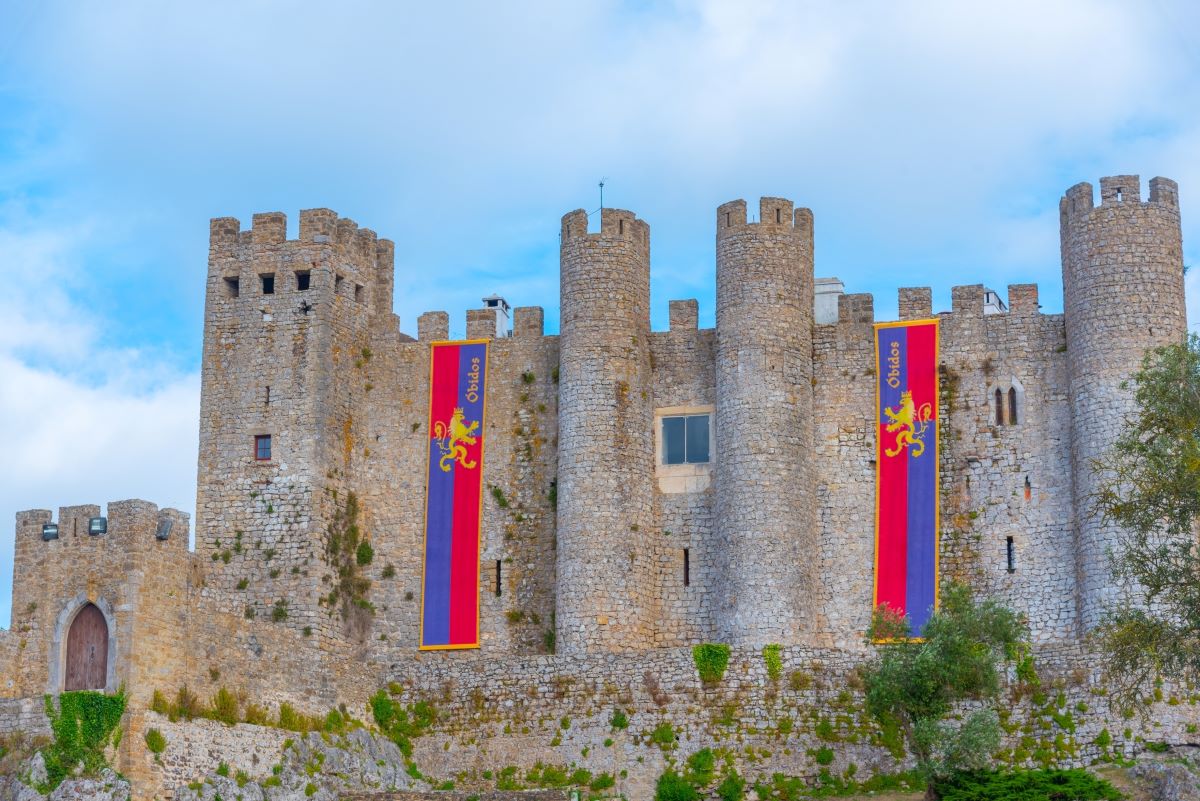
The long, crescent-shaped sandbank, which also serves as the city’s seafront, is known for its grandeur and the brightly colored awnings that decorate the white sand beach, contrasting with the blue water. Facing the sea, on the right, we see an impressive promontory. This is Sítio, where we have one of the best-known views of the Portuguese coast. It’s 318 meters of rock plunging into the sea, accessible on foot for the bravest, or by taking a funicular. Currently, the city’s biggest attraction is the waves and surfing, thanks to the “Nazaré Canyon,” an underwater geomorphological phenomenon that allows the formation of giant, perfect waves. It’s the largest underwater canyon in Europe, stretching approximately 170 kilometers along the coast and reaching depths of up to 5,000 meters. Hawaiian surfer Garrett McNamara brought it worldwide attention when, in 2011, he rode the world’s largest sand-bottom wave, measuring nearly 30 meters, at Praia do Norte, winning the Billabong XXL Global BigWave Awards and breaking a Guinness World Record. Surfers from all over the world flock to Nazaré every year to experience the ocean, especially during the winter. Óbidos is a village within a castle, where daily life is completely normal, albeit within medieval walls. The village is ancient and well-preserved, making it feel like a 14th-century retreat.
Inclusions
What does it include?
- Bottled water
- Bilingual driver
- Wi-Fi
What is excluded?
- Tip or gratuity
- Food & drinks
- Entry or admission fee
Itinerary
- Praia da Nazaré
- Vila da Nazaré
- Sítio da Nazaré
- Miradouro do Suberco
- Santuário Nossa Senhora da Nazaré
- Praia do Norte
- Farol da Praia do Norte
- Óbidos
Price
Price for small groups, up to three people. 280€
Booking your tour here


